


By AMEX Moving & Storage · Published · 7 min read

If you are working out how to move out of state, the good news is that the order of operations is the same wherever you are going. Set a budget and a date, learn what your new state expects from new residents, hire a mover, move your paperwork, then settle in.
The part that changes is the paperwork. Driver's license deadlines, vehicle registration, voter registration and taxes are all set by the state, so this guide shows you what to look up and where, rather than guessing at rules that differ by destination.
How to move out of state: budget and date first
Start by deciding what the move can cost and when it has to happen. Those two numbers decide almost everything else, including which kind of mover you can afford and how much you take with you.
- Build a budget that includes the move itself, packing supplies, travel, deposits and a cushion for the first month.
- Choose a move date, and a backup. Summer and the end of the month fill first, and flexible dates get the lowest price.
- Decide what to take. Everything you sell or donate before quotes is cheaper than moving it. Our moving tips include a quick way to sort room by room.
- Pick how you will move. U-Haul lists three options, a rental truck, a portable container and a full-service mover, and notes full service costs much more than the other two.
Moving out of state timeline: what to do and when
Checklists from United Van Lines and others agree on the broad shape. This version works for most long-distance households, and you can adjust it for a shorter runway.
| When | Focus | Key tasks |
|---|---|---|
| 8 weeks out | Research | Learn your new state's rules, sort belongings, collect written quotes from licensed movers |
| 6 weeks out | Travel and care | Plan the trip, reserve overnight stops, arrange childcare and pet care for moving and travel days |
| 4 weeks out | Book and pack | Book your mover (two to four weeks ahead gives the most choice of dates), start packing, measure doorways at the new home |
| 2 to 3 weeks out | Paperwork | Change your address, update insurance, transfer records, schedule utilities |
| Moving week | Final checks | Confirm pickup, prepare appliances, set aside documents and a first-night box |
| First 2 weeks | Settle in | Update license, registration and voter registration, and check what arrived |

The drive is only one part of an out-of-state move.
Moving to another state: research before you go
This is the step people skip, and it is the one that can cost you money. Rules for new residents are set by each state, and the official state sites are the place to read them, not a blog. The USA.gov state motor vehicle directory sends you to the right agency in any state.
- Driver's license and registration: many states set a deadline, and missed deadlines can carry fees. Maryland, for example, says new residents must get both a license and a title and registration within 60 days, and it lets you book one appointment for all of it on the Maryland MVA site. Your state will differ, and the amount of time you get can be shorter or longer.
- Auto insurance: coverage requirements vary by state, so confirm your policy meets them before you register the vehicle.
- Documents: expect to show proof of identity, proof of your new address, proof of insurance and your current license. Some states also require a vision test, a VIN check or an emissions test.
- Voter registration: every state has its own deadline, so update it as soon as you have a new address.
- Taxes: if you move mid-year, you generally file a part-year return for each state you lived in that collects income tax. If you also earned income in one state while living in another, you may need a nonresident return. Check each state's tax agency or ask a tax professional.
Moving to a different state: hire movers and compare quotes
For a long move, quotes are worth comparing carefully. Give every company the same inventory, dates and addresses so the numbers mean the same thing, and be wary of a price far below the others. For interstate moves, United Van Lines advises confirming the carrier's household goods authority with the FMCSA, and every licensed interstate carrier has a USDOT number you can look up.
AMEX Moving and Storage is a family-owned, licensed interstate carrier in Fair Lawn, NJ (USDOT 3101918, MC 77849). We pick up within 100 miles of Fair Lawn, covering NJ, NY, PA and CT, and deliver to all 48 contiguous states. Quotes are free, and the binding quote in writing includes the truck, the crew, tolls and fuel. See our long-distance moving page, the areas we serve, or ask for a free quote.
Out of state move checklist: address, utilities and records
Once your date is set, work through the accounts that follow you. Our change of address checklist lists who to notify and in what order, starting with the USPS and the IRS.
- Utilities: schedule new connections one to two days before you arrive and stop the old ones the day after you leave.
- Banks, insurers, your employer and subscriptions: update each, or find a bank near the new home if you prefer a local branch.
- Medical and school records: ask providers whether to transfer them or get referrals, and refill prescriptions before you go.
- Your lease: renters should check the notice period, which U-Haul says is often 30 to 60 days.
The drive and the first week in your new state
Keep documents, medications, valuables and a first-night box with you instead of on the truck. If you are driving, have the car serviced about two weeks before, map the route and book overnight stops early. Military OneSource also reminds movers that delivery delays happen, so plan for an extra day or two without your belongings. Our guide to how long a long-distance move takes shows typical delivery windows.
- Check each box and large item against your inventory before the crew leaves, and note any damage on the paperwork before signing.
- Confirm electricity, water, gas and internet are working.
- Book your DMV visit and update your license and registration within your state's deadline.
- Update voter registration and insurance, and find a doctor, pharmacy and bank nearby.
- Unpack kitchens, bathrooms and beds first, then work through the rest at your own pace.
That is the whole shape of how to move out of state: decide, research, hire, move your paperwork and settle in. None of the steps is hard on its own, and the move feels far more manageable when each one has a date next to it. Save the timeline, set reminders for the first two weeks after arrival, and keep the folder of documents within reach.
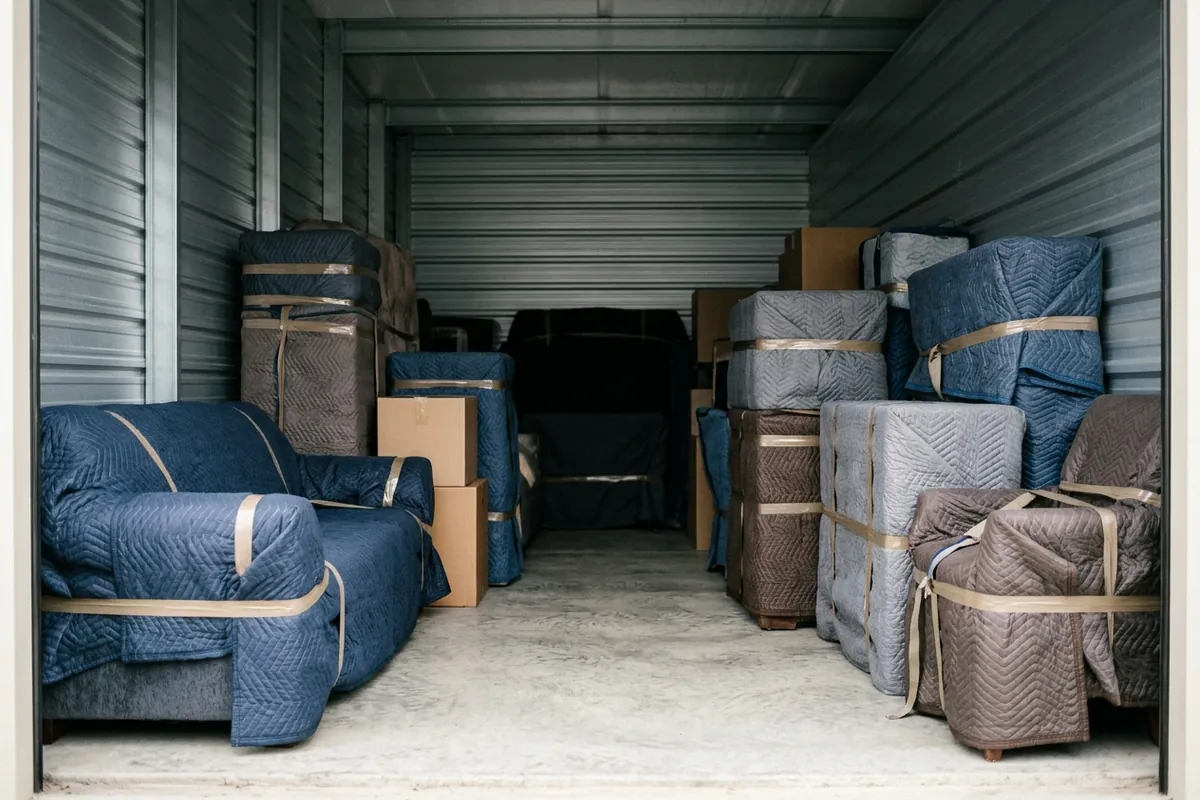
If storage helps bridge the gap while you find a place, see how our storage services work, or read our guide on how to store furniture in a storage unit.
Sources
- United Van Lines: Week-by-Week Moving Checklist
- USA.gov: State motor vehicle services
- Maryland MVA: New Maryland residents
- This Old House: How to update your license and registration
- TurboTax: Filing taxes if you moved to a different state
- USA.gov: Voter registration
- U-Haul: The Ultimate Moving Checklist
- Military OneSource: What to hand carry when you move